GFCI outlets are designed to protect you from electric shock—especially in areas where moisture is common, like kitchens, bathrooms, garages, outdoor outlets, and pool or dock areas. In Florida, it’s especially common for a GFCI to trip due to humidity, rain, condensation, and outdoor exposure.
If your GFCI outlet won’t reset, it’s a sign that the outlet is detecting a potential fault. Sometimes it’s a quick fix, but other times it points to a wiring issue or equipment problem that should be handled by a licensed electrician.
What Is a GFCI Outlet?
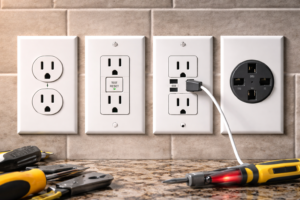
A GFCI (Ground Fault Circuit Interrupter) monitors the flow of electricity. If it senses even a small difference between the “hot” and “neutral” current (which can happen during a ground fault), it shuts off power quickly to reduce shock risk.
You’ll usually find GFCI protection in:
Bathrooms and kitchens
Garages and laundry areas
Outdoor outlets
Near pools, spas, docks, or wet locations
Common Reasons a GFCI Won’t Reset
Here are the most common causes we see in Tampa Bay homes:
1) Moisture or water intrusion
Outdoor outlets and covered patios can still collect moisture. Even a small amount of dampness inside the box can trigger trips.
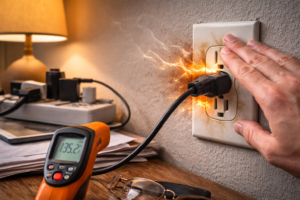
2) Something plugged in is faulty
Hair dryers, pressure washers, string lights, mini fridges, pumps, or older appliances can cause a ground fault. Unplug everything first to test.
3) The GFCI outlet has failed
GFCIs wear out over time. If the device is old, loose, or won’t reset even with everything unplugged, replacement may be needed.
4) A downstream outlet or device is causing the fault
Many GFCI outlets protect other outlets “downstream.” A problem on one of those outlets can prevent the GFCI from resetting.
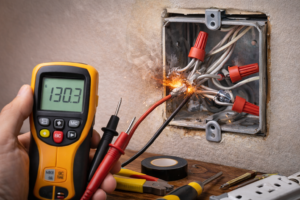
5) Loose wiring or a damaged connection
Loose terminations, heat damage, or corrosion can create unsafe conditions and repeated trips.
6) Incorrect wiring (line/load reversed)
If the GFCI was installed incorrectly, it may behave unpredictably or fail to reset properly.
What You Can Safely Try First
Before calling for service, you can do these safe checks:
Unplug everything on that circuit (including other outlets that may be protected).
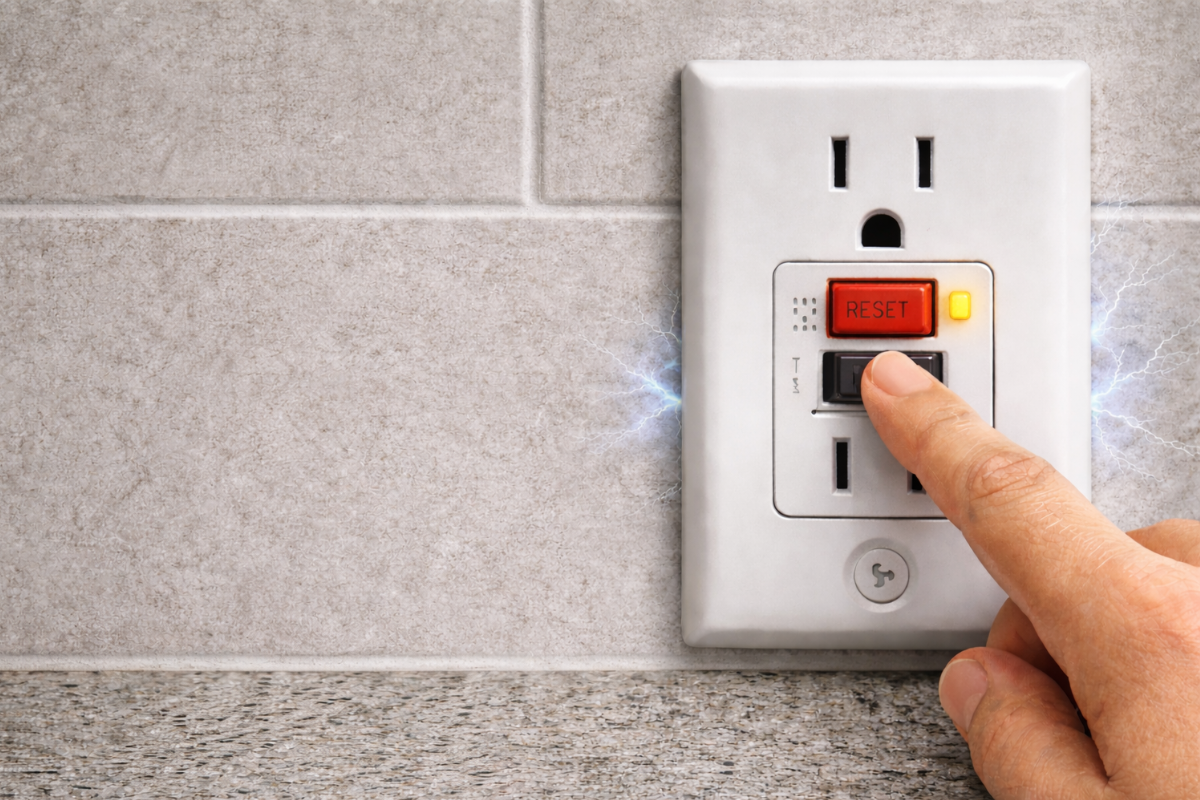
Press RESET firmly.
If it won’t reset, press TEST, then try RESET again.
Check nearby outlets (garage/outdoor/bath) that might be on the same protected circuit.
If it’s an outdoor outlet, look for obvious moisture and wait until the area is dry.
Do not open the electrical box or attempt wiring repairs yourself—especially near wet areas.
When a Tripping GFCI Is a Safety Warning
Call a licensed electrician if you notice any of these:
The outlet feels warm or shows discoloration/scorch marks
You smell burning near the outlet or panel
The GFCI trips immediately after resetting with nothing plugged in
You see corrosion, moisture damage, or loose outlet fit
Multiple outlets are out and you’re not sure what’s protected
A GFCI that won’t reset can indicate a real fault—and ignoring it can increase shock risk, especially near water.
How Power LLC Diagnoses a GFCI Problem
When we troubleshoot a GFCI issue, we typically:
Confirm whether the GFCI is protecting other outlets downstream
Test for moisture intrusion, corrosion, and device failure
Check wiring integrity and terminations
Verify correct grounding and code-compliant installation
Replace the GFCI (if needed) and re-test the circuit safely
Need Help in Tampa Bay?
If your GFCI won’t reset—or it keeps tripping—Power LLC can help. We provide safe, code-compliant troubleshooting and repairs across Tampa Bay, including outdoor and wet-location electrical issues.
Request service today and we’ll pinpoint the cause and recommend the safest fix.