
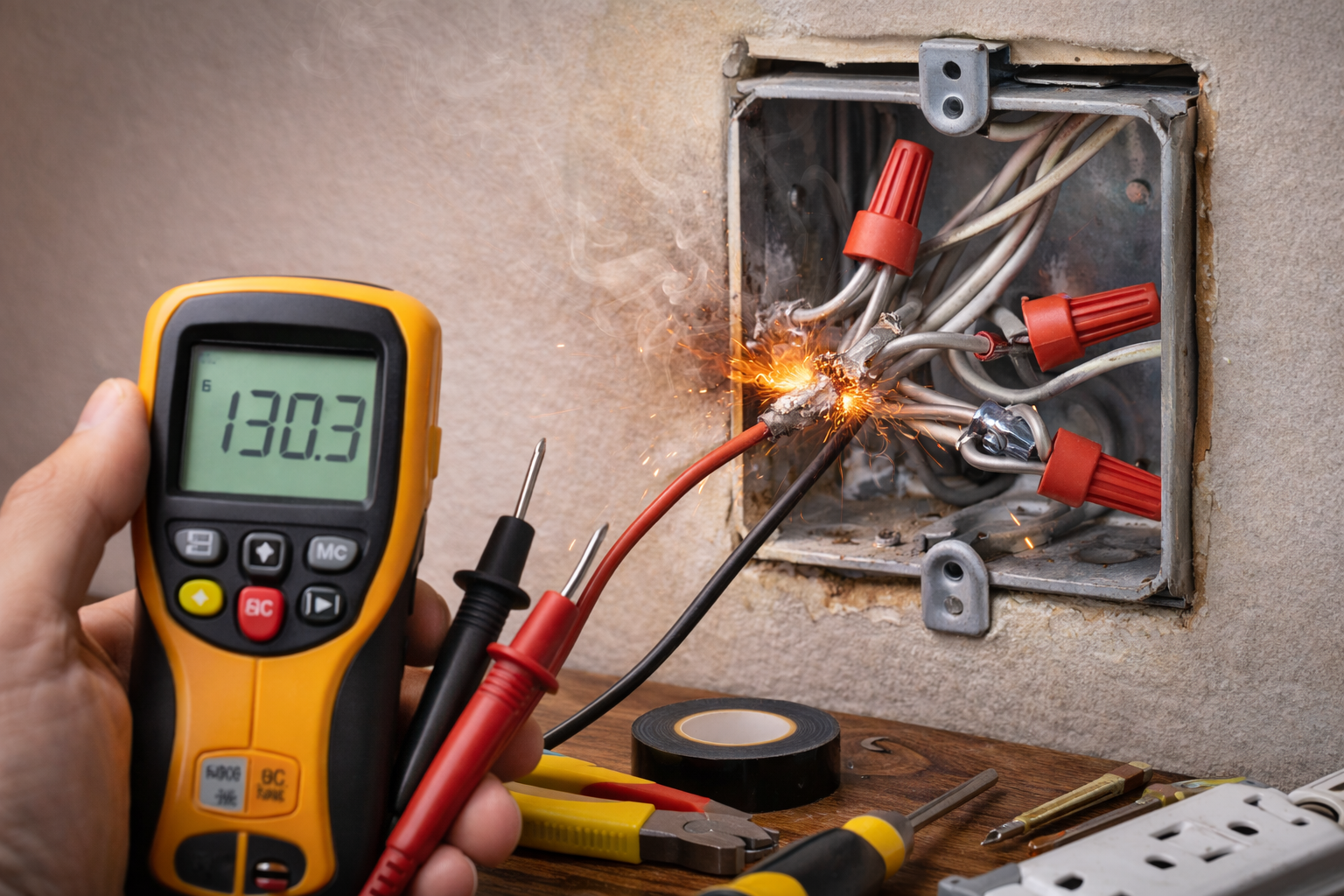
Aluminum wiring isn’t automatically “bad,” but it does require the right materials, connections, and inspection approach. Many homes built or updated decades ago may contain aluminum branch-circuit wiring, and problems usually show up at connection points—outlets, switches, fixtures, and panel terminations.
If you live in an older Tampa Bay home and you’re seeing flickering lights, warm outlets, or frequent breaker trips, it’s worth understanding whether aluminum wiring could be part of the issue.
What Is Aluminum Wiring?
Aluminum wiring was used in some residential construction as an alternative to copper. The key issue isn’t the wire itself—it’s that aluminum behaves differently than copper at connections. Over time, poor terminations can loosen, build resistance, and create heat.
Common Warning Signs (Don’t Ignore These)
Schedule an inspection if you notice:
Warm outlets or switches
Lights flickering or power cutting in and out
Outlets that stop working intermittently
Burning smell or discoloration at devices
Frequent breaker trips
Buzzing from switches, outlets, or the panel
These symptoms can happen in any home—but they’re especially important to check in homes that may have aluminum wiring.
Why Aluminum Wiring Can Become a Problem
Here’s what typically causes trouble:
1) Connection “creep” over time
Connections can loosen, increasing electrical resistance and heat.
2) Incorrect devices or connectors
Aluminum wiring requires compatible devices and connection methods. The wrong outlet/switch or connector can lead to overheating.
3) Oxidation at connection points
Oxidation can increase resistance and cause heat buildup if connections aren’t properly prepared.
4) High-demand modern loads
Today’s homes use more power (larger HVAC, home offices, smart devices, EVs). Higher demand can expose weaknesses at older connections.
What You Should Do (Safe Next Steps)
Step 1: Don’t DIY electrical repairs
Avoid opening outlets, switches, or the panel—incorrect handling can make issues worse.
Step 2: Schedule a professional inspection
A licensed electrician can confirm:
Whether aluminum wiring is present
Where it’s located (whole home vs certain circuits)
Whether connections show heat damage or looseness
Whether devices are compatible and safely terminated
Step 3: Fix the connection points (common solution)
In many cases, the safest improvements focus on the terminations and devices—not necessarily rewiring the entire home.
Upgrade Options (What Homeowners Typically Choose)
Solutions depend on what we find, but common approaches include:
Replacing outlets/switches with compatible devices
Correcting unsafe connection methods
Addressing overheated or damaged wiring sections
Adding dedicated circuits for heavy loads
Panel upgrades if capacity or breaker condition is an issue
If you’re planning EV charging, generator transfer equipment, or a remodel, it’s smart to address wiring safety first.
When It’s Urgent
Call for service ASAP if you see:
Scorch marks, smoke, or burning odor
A hot outlet faceplate
Sparking at an outlet or switch
Breakers that won’t reset
Buzzing inside the panel
Need an Electrical Wiring Inspection in Tampa Bay?
Power LLC provides wiring inspections and code-compliant electrical repairs across Tampa Bay. If your home may have aluminum wiring, we’ll inspect the system, explain what we find clearly, and recommend practical safety upgrades.
Request service today to schedule a wiring safety check.
Need an electrician in Tampa Bay?
Power LLC is a Florida-licensed electrical contractor (EC13015512) serving Tampa, Clearwater, St. Petersburg, New Port Richey, Brandon, and Wesley Chapel. Free estimates and code-compliant work — every job.