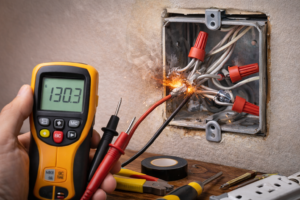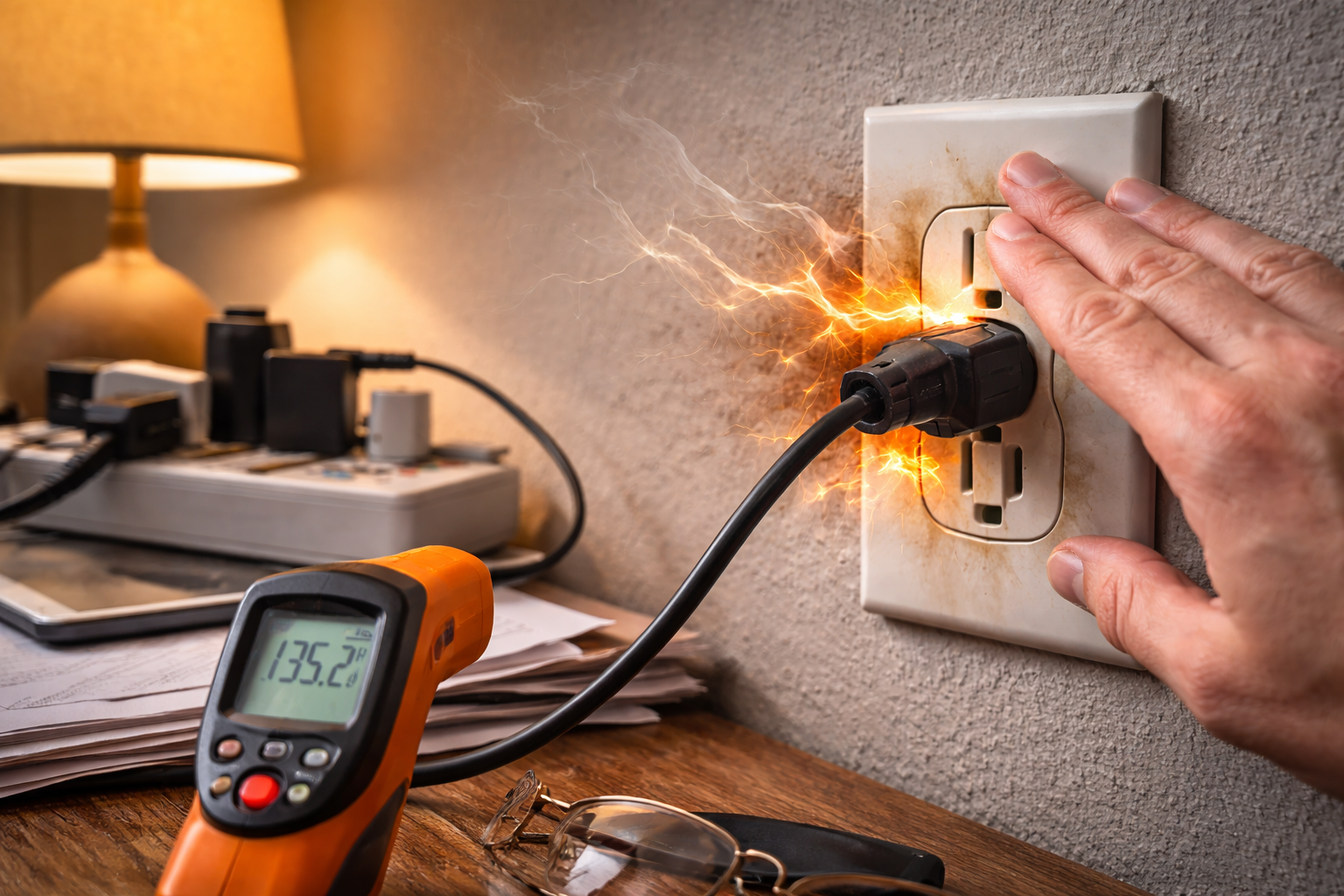
A warm outlet is not normal. In many cases, it’s a warning sign of electrical resistance—often caused by loose connections, overloaded circuits, or worn devices. Left unaddressed, overheating can damage wiring and increase fire risk.
If you notice an outlet that feels warm to the touch (or smells “burnt”), here’s what it usually means and the safest next steps.
Common Reasons an Outlet Gets Warm
1) Loose wiring connection
Loose connections create resistance, which produces heat. This can happen at the outlet terminals, in the electrical box, or upstream on the same circuit.
2) Overloaded circuit
High-load devices like space heaters, air fryers, hair dryers, window AC units, and vacuum cleaners can overload a circuit—especially in older homes.
3) A failing outlet or worn contacts
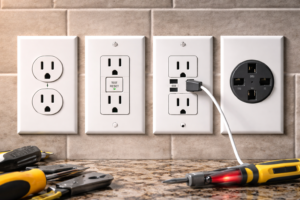
Outlets wear out over time. If plugs feel loose, slip out easily, or spark when plugging in, the outlet may be failing.
4) Backstabbed wiring (common in older installs)
Some outlets are wired using “backstab” connections. These can loosen over time and are a common cause of heat and intermittent issues.
5) Damaged plug or appliance cord
A damaged cord or plug can overheat at the outlet connection point. If only one device causes warmth, stop using it and have it checked.
6) Incorrect outlet type for the load
Certain equipment needs dedicated circuits. If a heavy-load device is regularly used on a general outlet circuit, overheating can happen.
What to Do Right Now (Safe Steps)
If an outlet is warm:
Unplug everything from that outlet.
Stop using the outlet until it’s checked.
If you notice burning smell, discoloration, or buzzing, turn off the affected breaker (if safe).
If there’s smoke or active sparking, call emergency services.
Avoid “quick fixes” like swapping outlets without testing—overheating is often caused by a deeper connection or wiring issue.
Signs It’s Urgent
Schedule service ASAP if you notice:
Burning odor or visible scorch marks
Outlet faceplate discoloration
Buzzing/crackling sounds
Tingling/shock sensation when touching devices
Breakers tripping along with the warm outlet
Warmth in multiple outlets on the same circuit
How an Electrician Diagnoses the Problem
A licensed electrician will typically:
Check the outlet wiring and connection quality
Inspect upstream/downstream outlets on the same circuit
Test circuit load and breaker condition
Identify overheating “hot spots” and correct them
Replace damaged devices and verify safe operation
Prevention Tips (Simple Upgrades That Help)
If warmth is related to load or aging devices, these upgrades can help:
Dedicated circuits for high-load appliances
Outlet replacement with secure terminations
GFCI/AFCI upgrades where required
Electrical panel labeling and circuit balancing
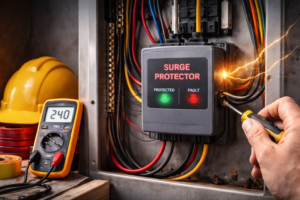
Whole-home surge protection (additional protection for sensitive electronics)
Need Electrical Help in Tampa Bay?
If an outlet feels warm, don’t ignore it. Power LLC provides safe troubleshooting and code-compliant repairs across Tampa Bay. We’ll pinpoint the cause and recommend the safest long-term fix.
Request service today if you have a warm outlet or burning smell.