Flickering lights are one of the most common electrical complaints in Tampa Bay—and they’re not always “just annoying.” In many cases, flicker is an early warning sign of loose connections, overloaded circuits, or equipment that needs attention before it becomes a safety issue.
The good news: some causes are simple. Others require professional troubleshooting to keep your home or business safe and code-compliant.
Common Reasons Lights Flicker
Here are the most frequent causes we see across Tampa Bay homes and businesses:
1) Loose bulb or fixture connection
Sometimes the fix is as simple as tightening a bulb or confirming the fixture connection is secure—especially with older fixtures or ceiling fans.
2) LED compatibility issues (dimmers and drivers)
LED bulbs can flicker if:
The dimmer is not LED-compatible
The bulb/driver quality is poor
The dimmer is set below the bulb’s stable range
Upgrading to compatible dimmers and quality LEDs often solves this immediately.
3) A circuit is overloaded
If lights dim or flicker when your AC, microwave, dryer, or other high-load appliance turns on, the circuit may be overloaded or sharing demand incorrectly.
This is common in older homes that weren’t designed for modern electrical loads.
4) Loose wiring or failing connections
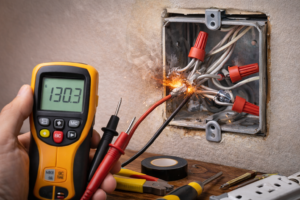
Loose connections—at switches, outlets, fixtures, or inside junction boxes—can cause intermittent flicker and can also create heat buildup. This is one of the higher-risk causes and should be addressed by a licensed electrician.
5) Breaker or panel issues
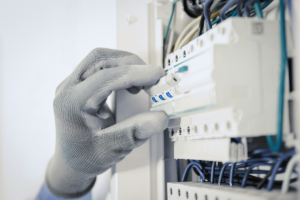
Frequent flicker combined with breaker trips, buzzing, or a warm panel can point to electrical panel problems such as:
Worn breakers
Poor connections
Capacity limitations
6) Utility-side voltage fluctuations
Sometimes the issue is upstream (outside your home). If multiple neighbors notice flickering at the same time, it may be a utility-related fluctuation. We can help you confirm whether the problem is inside your system or coming from the utility.
Quick “Safe Checks” You Can Do
Before calling, here are a few safe steps that can help narrow down the cause:
Check if the flicker happens with one light or many lights
Note if flicker happens when a major appliance turns on
Try a different LED bulb (quality brand) in the same fixture
If using a dimmer, test at full brightness (some LEDs flicker at low settings)
Do not open electrical boxes or panels—that troubleshooting should be done by a professional.
When Flickering Lights Are a Safety Concern
Schedule service soon if you notice any of these along with flickering:
Burning smell or warm outlets/switches
Buzzing sounds from switches, outlets, or the panel
Frequent breaker trips or blown fuses
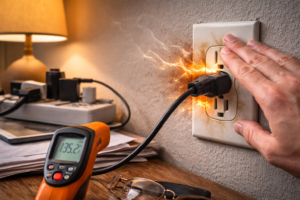
Discolored outlets, scorch marks, or sparking
Flicker affecting multiple rooms or the whole home
These symptoms can indicate loose connections or overheating components.
How Power LLC Diagnoses Flickering Lights
When we troubleshoot flicker, we typically:
Identify whether it’s isolated (fixture) or circuit-wide
Verify connections at switches, outlets, and fixtures
Check circuit load and whether dedicated circuits are needed
Inspect breaker/panel condition if symptoms suggest it
Test and verify stable performance before we leave
Related Upgrades That Often Help
If your home is experiencing repeated flicker issues, these improvements can make a big difference:
LED-compatible dimmers and quality bulbs
Dedicated circuits for high-load appliances
Panel labeling and circuit organization
Whole-home surge protection
Electrical panel upgrade (if capacity is limited)
Need Help in Tampa Bay?
If your lights are flickering and you’re not sure why, Power LLC can help diagnose the cause and provide a safe, long-lasting solution.
Request service today and we’ll explain your options clearly—then complete clean, code-compliant work.